About the artist
Ada Voight
Painter of nature, birds, and the quiet beauty of the world around us.
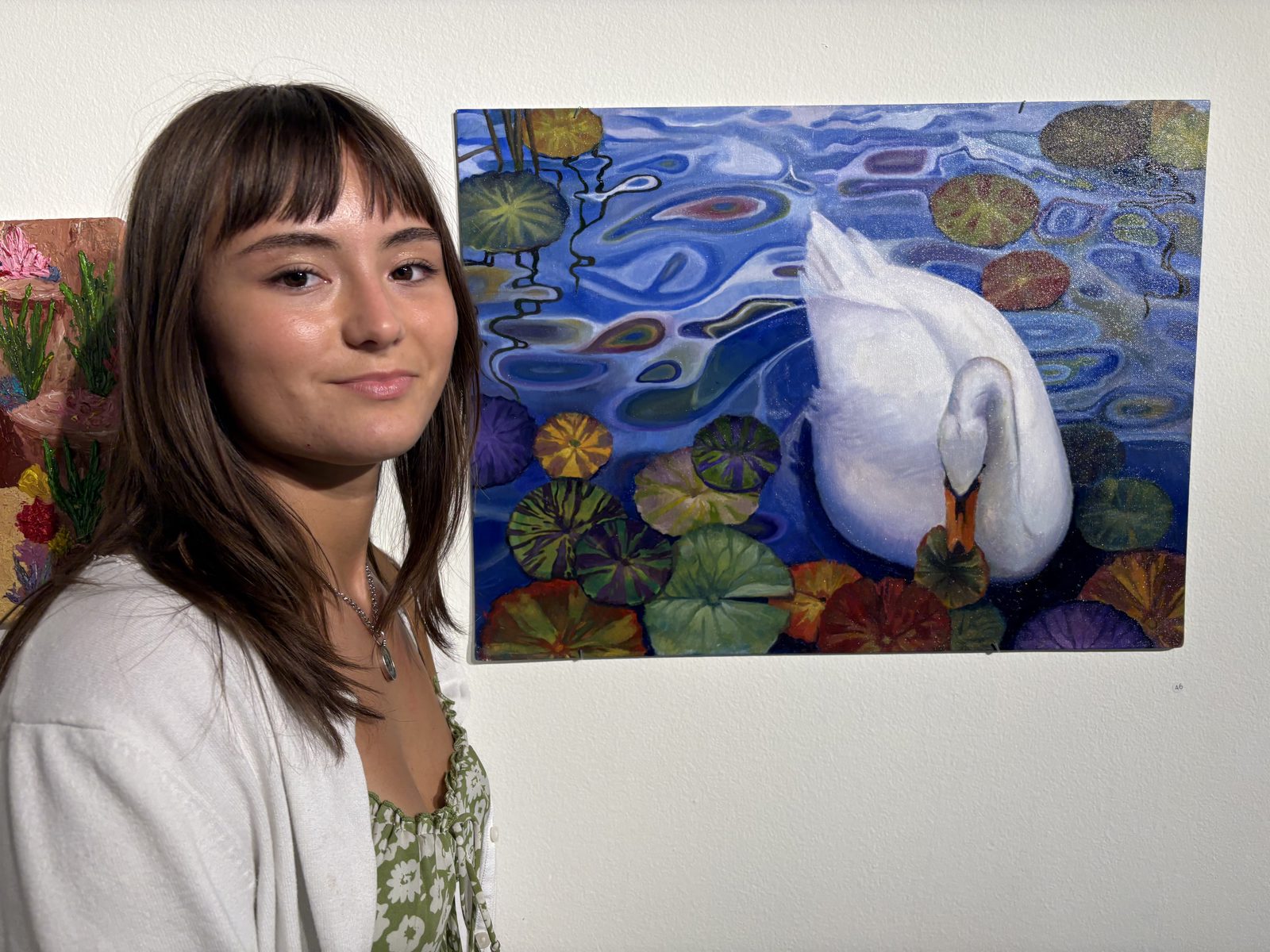
The natural world is something that every person has their own experience with. Everyone has, at one point or another, spent time in and around nature, but how often does the average person truly engage with their surroundings? Ada Voight feels that, far too often, the level of engagement and appreciation with the natural world is well below where it should be. Through her art, she seeks to promote the beauty of the natural world — not just from an aesthetic perspective, but also as a call to action to ensure that this beauty persists for generations to come. Since her youth, Ada was interested in making art, focusing first on the aforementioned nature scenes and depictions of wildlife. Her nature scenes are what she at this point would firmly define as “[her] art,” as they have a deep significance to her.
Growing up in Ottawa, Canada, Ada was drawn to the variety of birds that she was able to see in the city, subjects that she would return to frequently over the course of her artistic production. The convenience of birds being so prevalent in almost any given area she inhabited was part of her interest, but she was also partial to the motion of birds.
The aerodynamic movement of a bird in flight is attractive to the eye, making it a desirable subject for artistic depiction.
Ada also has a fascination with depicting fish, stemming from her time working at the Mote Marine Laboratory and Aquarium in Sarasota Florida. Seeing how the scales of the fish reflected light, and how they moved around the tank, were great inspirations.
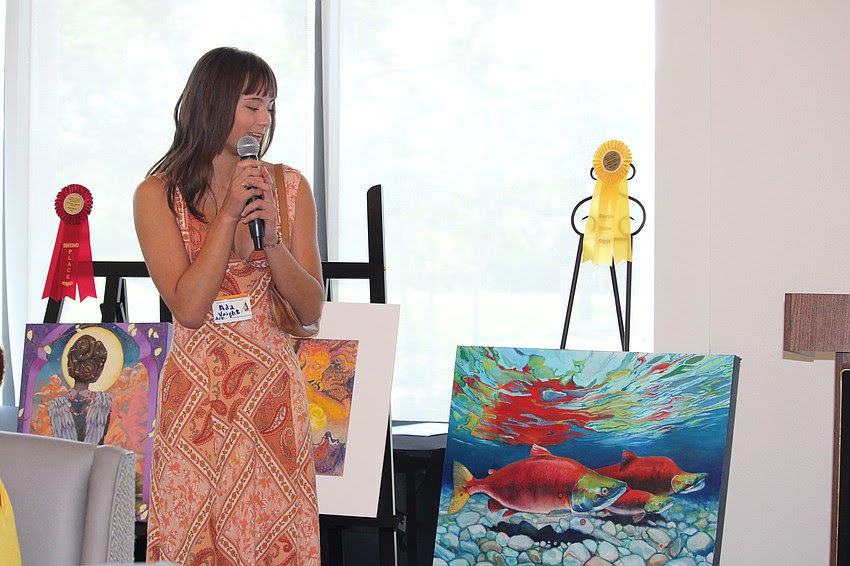
A prominent theme in Native Canadian Art, sockeye salmon are a cornerstone of the natural ecosystem in Canada. As such, Ada viewed a depiction of them to be entirely logical, paying homage to such a key species in her home country. However, she was shocked to find out that many Americans don’t fully grasp the significance of the sockeye salmon, and accordingly worried about the state of education in the field of natural history. To her, this is a crucial field, one that is unfortunately seldom touched on in American education. To not know about the importance of this field is to, in some sense, disregard or be unaware of how it governs the day-to-day of most everyone and thus puts everyone at risk of losing that which they currently take for granted.
In developing her art practice, Ada noted the value of realism, but said that for her, that can only go so far. As such, she has begun to experiment with elements of Expressionism and Impressionism, both formal styles she aims to continue working with. In particular, she has drawn much influence from Paul Cézanne and Nicolas Poussin.
To not know about the importance of this field puts everyone in danger of losing what they take for granted.
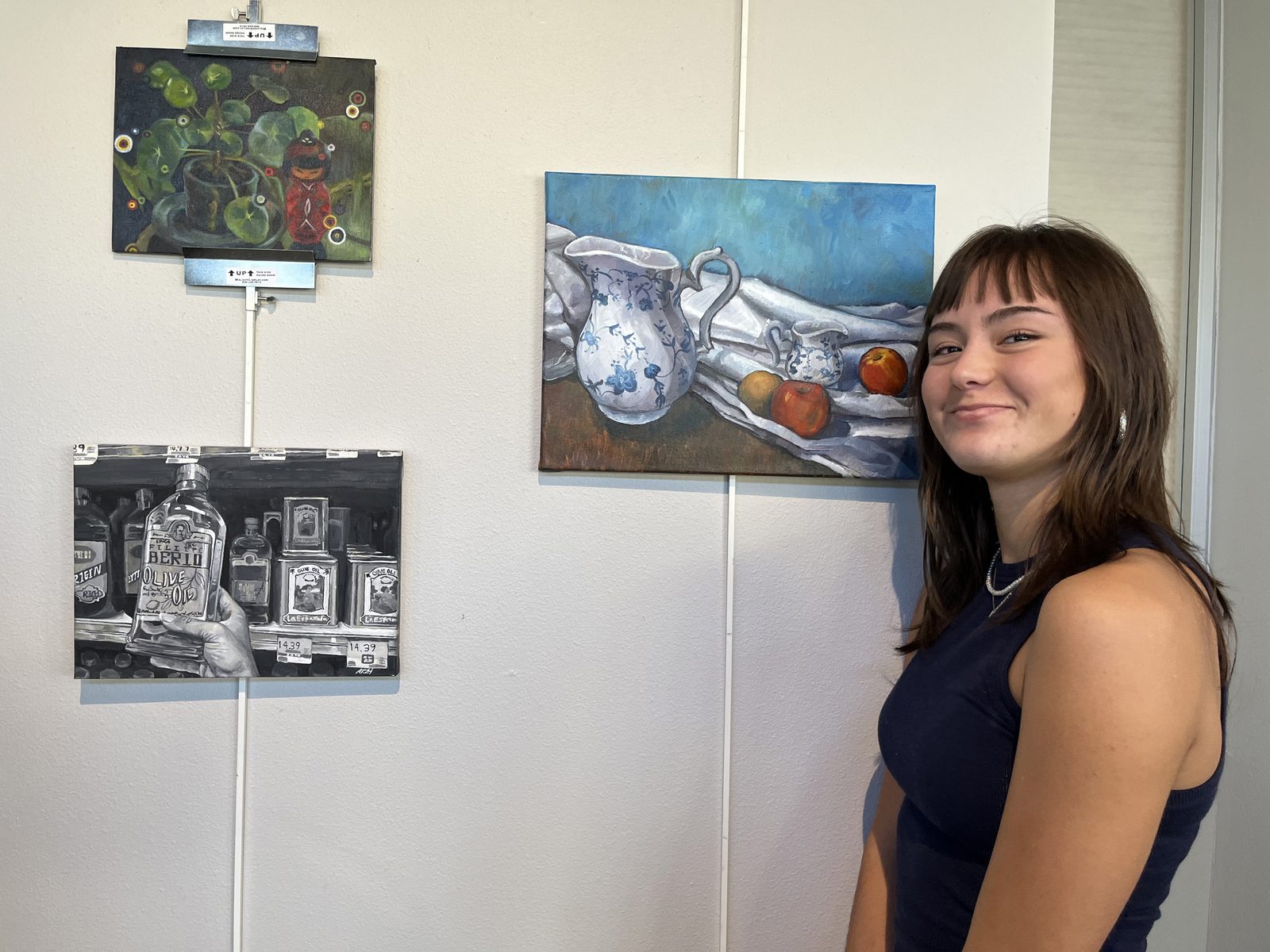
Ada admires the application of the brushstrokes in the works of these two artists, particularly how both made no effort to hide the strokes on the canvas like so many artists before them would have sought to do. As her art continues to evolve, Ada seeks to continue amplifying and platforming the beauty of the natural world, perhaps in new and unexpected formal ways, but always with the key goal of making sure everyone appreciates the world around them.